
What are some of the core issues at hand?
Members of Congress make decisions that can affect the value of individual companies. They approve government contracts, regulate industries, investigate corporations, and often receive information sooner than the general public, or that the public does not ever receive. At the same time, members of Congress can own, buy, and sell individual stocks, creating potential conflicts of interest. Many legislators from both parties report significant stock trading activity (more than several hundred trades per year), and about half of current members of Congress report holding some individual stocks in their investment or retirement portfolios.
What are the current limits on congressional stock trading?
In 2012, Congress first directly addressed congressional stock trading with the STOCK Act. The law clarified that members and congressional employees have a duty of trust and confidence regarding information obtained through their official positions and are subject to federal insider-trading laws. It also created faster and publicly available financial-disclosure requirements. Members must report stock transactions no later than 45 days after they are made. Spouses and dependent children of legislators are also subject to disclosure requirements.
The STOCK Act is primarily an insider-trading and transparency law, not a stock-ownership and trading ban. Members may still own stock in individual companies and buy or sell their shares. The distinction matters because illegal insider trading and a conflict of interest are not the same thing. Prosecuting insider trading generally requires evidence that someone profited by buying or selling stock based on information that was not publicly available. However, even without insider trading, a conflict of interest might exist if, for example, a lawmaker owned stock in a company while voting to award the company a government contract.
Critics have also questioned whether the current disclosure requirements provide much deterrence. House financial-disclosure rules generally impose a $200 late-filing fee, although repeated violations can produce additional fees. Given the significant amounts of wealth held by Congress, this fine, which is rarely imposed, is minor.
The proposal that went the furthest in 2026
In January 2026, Rep. Bryan Steil (R-WI) introduced the Stop Insider Trading Act. Under this proposal, members of Congress, their spouses, and dependent children could no longer purchase new securities in publicly traded companies. They could, however, keep individual stocks they already owned.
Selling would also remain legal, but with a new requirement that an intended sale be publicly announced between seven and 14 days before it occurred. Violations could bring a penalty of at least $2,000 or 10% of the transaction, whichever is greater, plus forfeiture of net gains. The bill allows exceptions for diversified mutual funds, certain trusts, small businesses, some employment-related transactions, and automatic dividend reinvestment.
Supporters argue that this approach addresses the most troubling activity, buying stock using information obtained through public office, without forcing incoming lawmakers and their families to sell investments accumulated before entering government. The House committee report argues that this balance could reduce conflicts without discouraging people with substantial private-sector financial holdings from running for Congress.
Critics argue that allowing officials to retain existing stocks leaves the underlying conflict in place. A legislator who owns substantial shares in a pharmaceutical, technology, defense, or energy company can still participate in decisions affecting that company's value, even if the legislator cannot purchase additional shares. Another criticism is that legislators’ children (who are not public figures) face the same restrictions as the legislators themselves.
The House passed this bill on July 22, 2026, by a 232–198 vote, with all 218 voting Republicans, 13 Democrats, and one independent supporting it. But this version included additional provisions from the Safeguard American Voter Eligibility (SAVE) Act (see our analysis here), making it unlikely the Senate will consider the proposal.
Could the next Congress go further?
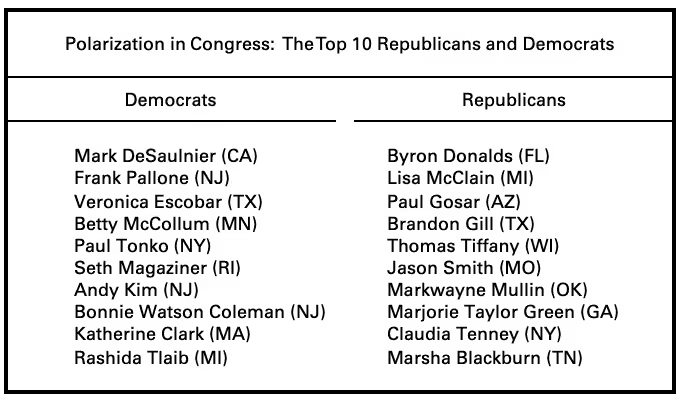
Several other proposals introduced during the 119th Congress preview what lawmakers could consider in the 120th Congress—the bipartisan Restore Trust in Congress Act, introduced in the House by Reps. Chip Roy (R-TX) and Seth Magaziner (D-RI) would prohibit members, spouses, and dependent children from owning or trading stocks and require current officials to divest within 180 days. Diversified investment funds and government bonds would remain permitted. Sens. Ashley Moody (R-FL) and Kirsten Gillibrand (D-NY) introduced a Senate version.
Another proposal, the Restore Trust in Government Act, also from Rep. Magaziner, would go beyond Congress by applying restrictions to the president and vice president and their immediate families as well.
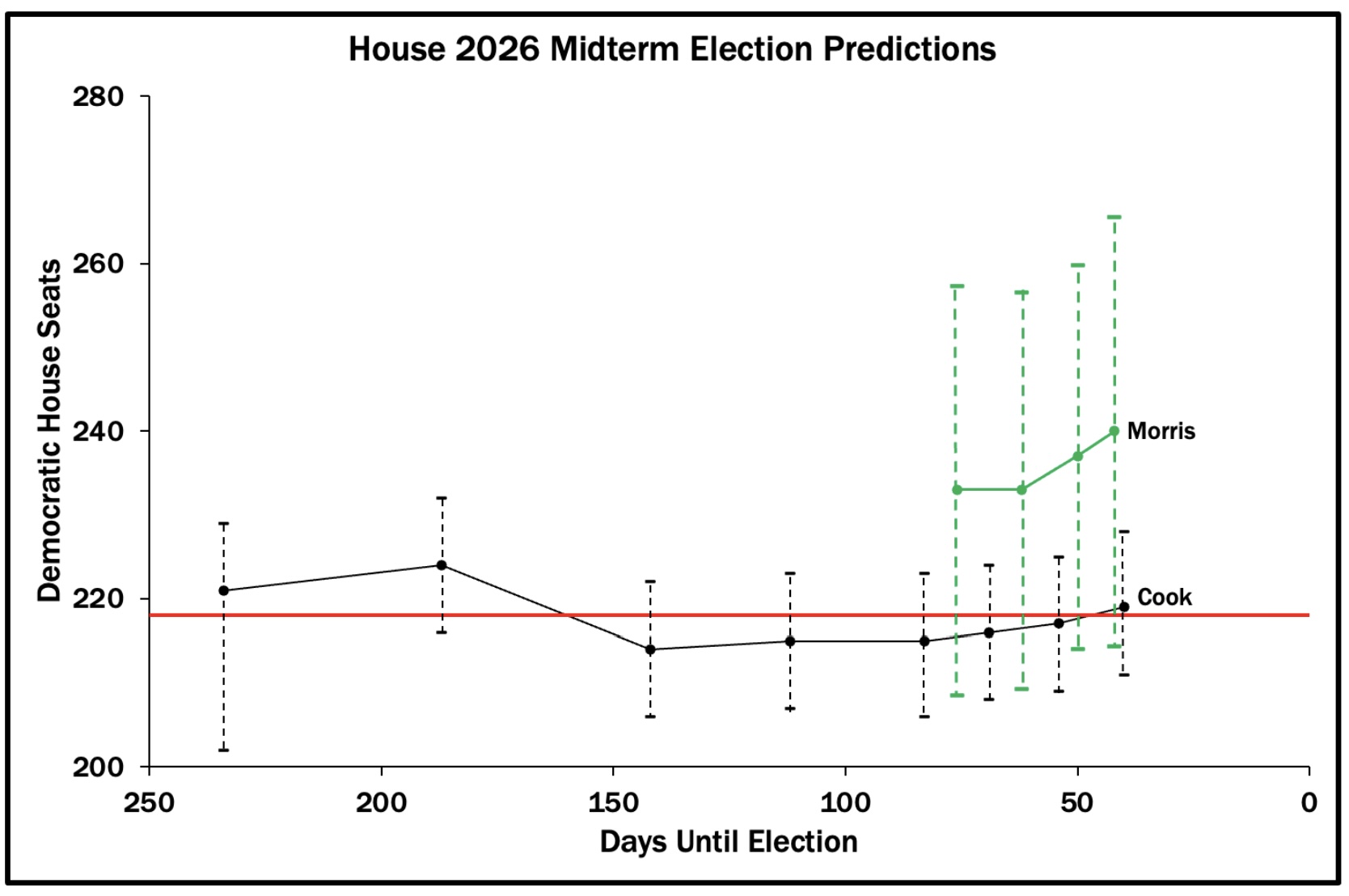
Democrats have indicated that if they gain majority control of the House in the 120th Congress, they will introduce some version of these proposals.
The Takeaway
The STOCK Act makes insider trading illegal for members of Congress and requires disclosure, but it does not prohibit members from owning or trading individual stocks. The 2026 Stop Insider Trading Act would ban new purchases but allow lawmakers to keep and eventually sell stocks they already own.
Stronger bipartisan proposals would require members and their families to divest individual stocks altogether. Lawmakers currently disagree about whether restrictions should extend beyond Congress to the president, vice president, and other federal officials.